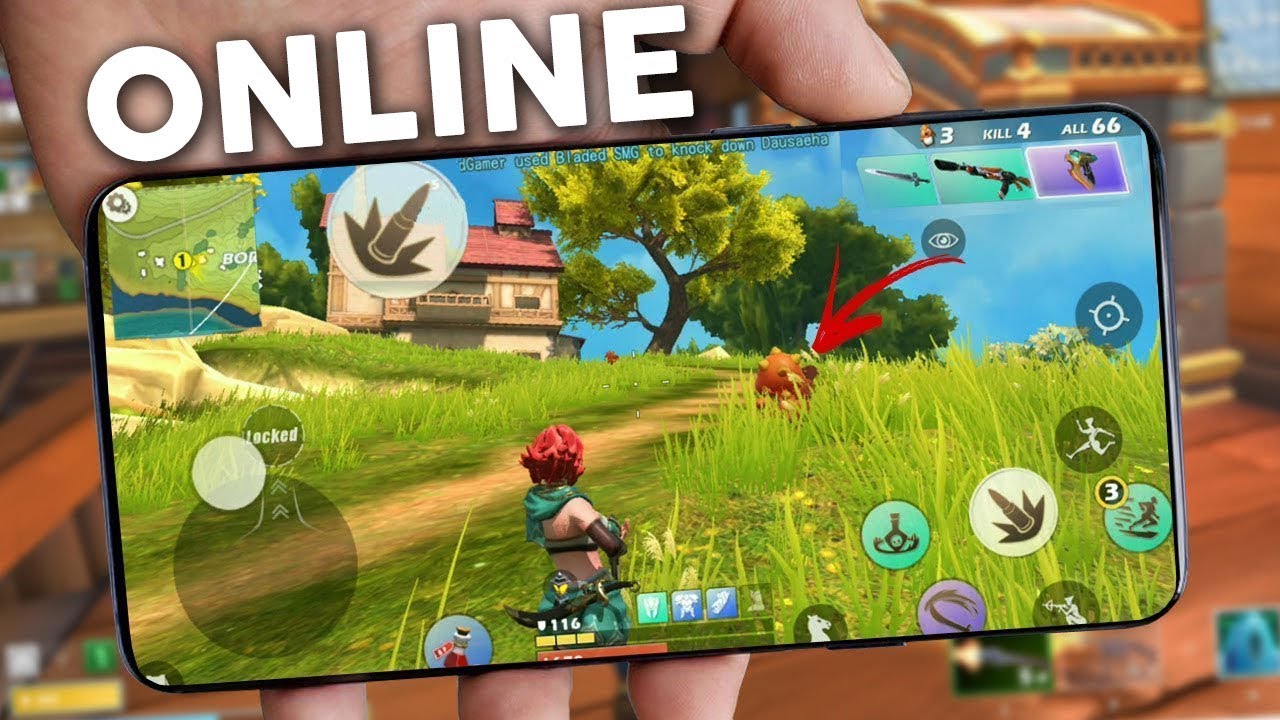
The Complete Guide to Android Game Development and Innovation
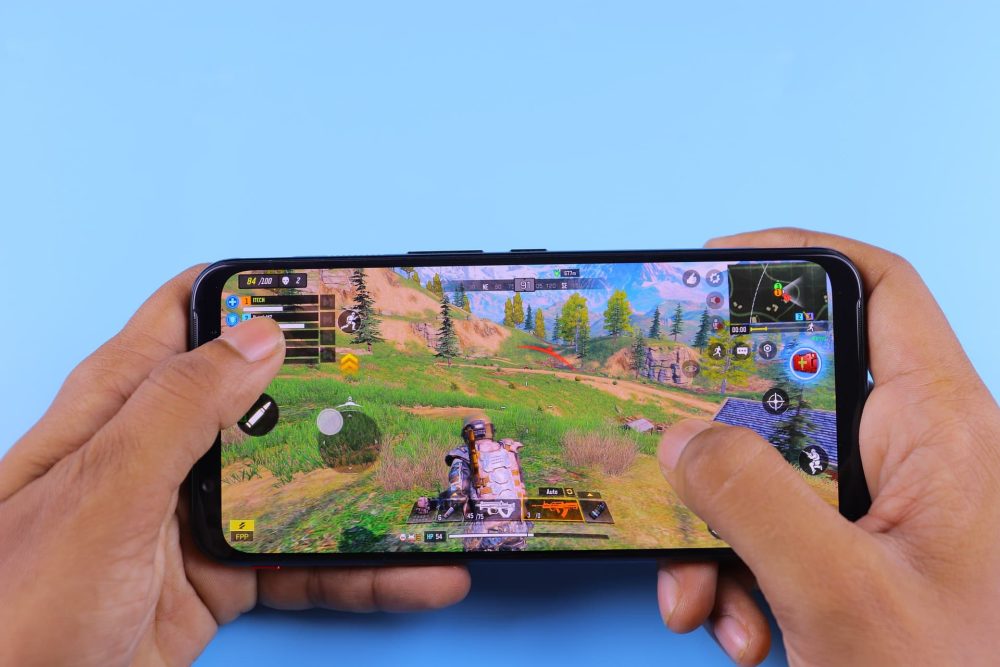
Understanding the Android Game Landscape
The Android Game ecosystem has grown into one of the largest and most dynamic industries in the world, reshaping how people experience digital entertainment. With billions of active Android users worldwide, mobile gaming has become not just a leisure activity but a cultural phenomenon that drives technology innovation, storytelling, and interactive design. Android’s open-source structure provides developers the freedom to experiment and create unique gaming experiences that run on a wide range of devices. Unlike traditional gaming platforms, Android offers accessibility, scalability, and flexibility, enabling developers to reach audiences across various hardware levels, from entry-level smartphones to advanced gaming tablets.
The Evolution of Android Game Development
When Android first entered the mobile landscape, games were simple, lightweight, and often limited by device performance. Over the past decade, advancements in hardware, APIs, and game engines have revolutionized what’s possible. Today, Android supports console-quality graphics, real-time multiplayer interactions, and immersive 3D environments. The shift from Java-based programming to frameworks like Unity and Unreal has expanded creative possibilities while reducing technical limitations. Additionally, developers now use augmented reality (AR), artificial intelligence (AI), and cloud-based services to enhance gameplay and user engagement. The industry’s evolution reflects how Android continues to adapt, making it the go-to platform for innovation in mobile gaming.
Key Technologies Powering Android Games
Modern Android games rely on a sophisticated blend of technologies that bring visuals, performance, and interactivity together. Each component plays a vital role in defining user experience and gameplay smoothness.
Core technologies include:
- Game engines: Unity, Unreal, and Godot provide the structural foundation for both 2D and 3D games, handling physics, animation, and scripting.
- Programming languages: Kotlin, Java, and C++ remain the backbone of Android development, with C# often used for engine scripting.
- Graphics APIs: Vulkan and OpenGL ES deliver high-performance rendering, supporting detailed textures and realistic lighting.
- AI integration: AI enhances gameplay by adapting to player behavior, generating dynamic content, and enabling complex NPC interactions.
- AR and VR frameworks: ARCore and virtual reality SDKs bridge real-world experiences with digital gameplay.
These technologies collectively create immersive experiences while ensuring scalability across devices with varying performance capabilities.
Designing Android Games for Engagement
A successful Android game is not only technically sound but also emotionally engaging. Design philosophy plays a crucial role in capturing and retaining player interest. Developers must focus on intuitive controls, visual storytelling, and user experience optimization. The best games create emotional resonance through character design, music, and interactive environments. Color schemes, animation timing, and sound effects are deliberately used to enhance immersion. The balance between difficulty and reward is key; games that are too easy lose challenge, while overly difficult ones frustrate users. Developers often employ behavioral analytics to understand user engagement patterns and fine-tune gameplay accordingly.
The Role of Artificial Intelligence in Android Gaming
Artificial intelligence has become an essential driver of innovation in Android games. AI algorithms power procedural generation, adaptive challenges, and intelligent virtual opponents. For instance, racing games use AI to simulate real-world competition by adjusting the skill level of opponents in real time. Adventure and role-playing games use AI to personalize storylines and side quests based on player decisions. In addition, AI assists developers in optimizing monetization by predicting user spending behavior and engagement. Machine learning models analyze in-game data to offer smarter matchmaking, content recommendations, and difficulty adjustments that align with individual player preferences.
The Impact of Cloud Gaming on Android
Cloud gaming has significantly reshaped how Android users access and play games. Instead of relying on device hardware, games are streamed directly from cloud servers, allowing users to experience console-level quality on budget smartphones. With 5G connectivity, latency issues have been reduced dramatically, making real-time gameplay seamless. Cloud integration also benefits developers by simplifying updates, preventing piracy, and expanding access to large-scale multiplayer environments. The “play anywhere” approach appeals to modern gamers who value convenience and flexibility. Furthermore, cloud technology enables shared progress across multiple devices, ensuring continuity of experience.
Monetization Models in Android Games
The success of an Android game often depends on the right monetization strategy. Developers use diverse models to generate revenue while keeping players satisfied and engaged.
Primary monetization approaches include:
- Freemium model: The game is free to play but offers optional in-app purchases for virtual items or premium content.
- Subscription model: Players pay recurring fees for exclusive benefits, skins, or ad-free experiences.
- Reward-based advertising: Players voluntarily watch ads to earn in-game currency or bonuses.
- Paid games: Some developers opt for one-time purchases, focusing on premium storytelling and craftsmanship.
- Hybrid models: A combination of in-app purchases and ads designed to cater to both free and paying players.
Successful monetization depends on maintaining player trust; intrusive ads or aggressive pricing can quickly reduce engagement.
Cross-Platform Integration and Interoperability
Today’s Android games are rarely limited to a single device type. Cross-platform integration has become essential for user retention and accessibility. Developers are building systems that allow players to sync progress across mobile devices, tablets, PCs, and even consoles. Cloud saves, real-time multiplayer servers, and universal login systems create continuity and flexibility. This interoperability also encourages community growth, as players can connect and compete regardless of platform. By removing hardware barriers, developers can extend a game’s lifespan and expand its audience.
The Growing Role of Augmented and Virtual Reality
Augmented reality (AR) and virtual reality (VR) have introduced new dimensions to Android game development. AR blends real-world environments with digital elements, creating interactive experiences that respond to physical movement and surroundings. VR, on the other hand, transports players into fully immersive virtual worlds. These technologies are being applied beyond entertainment, including educational simulations, fitness games, and therapeutic applications. Android’s compatibility with ARCore has accelerated the adoption of AR, giving developers the tools to build complex, context-aware games that interact with the player’s environment. As device sensors and cameras continue to improve, AR and VR will play an even greater role in shaping mobile gaming experiences.
User Experience Optimization in Android Games
With the diversity of Android devices, ensuring a consistent and optimized experience is a top priority. Developers must account for variations in screen sizes, resolutions, and performance levels. Responsive UI design ensures that interfaces adapt seamlessly to different devices. Optimization techniques include reducing load times, compressing textures, and managing memory efficiently. Battery efficiency is another critical factor; games that overuse system resources risk negative reviews and uninstalls. Developers also focus on accessibility, ensuring that games are playable for users with disabilities through features like customizable controls, text-to-speech options, and colorblind modes.
Challenges in Android Game Development
While Android offers immense opportunities, developers face several unique challenges.
- Device fragmentation: The vast number of devices running different Android versions complicates optimization and compatibility testing.
- Security concerns: Piracy, cheating, and unauthorized modding can impact both revenue and game integrity.
- Data privacy: With personalized experiences relying on player data, developers must comply with strict privacy laws and ensure transparency.
- Performance balancing: Creating games that perform well across both low-end and flagship devices requires careful resource management.
Overcoming these challenges requires continuous testing, efficient coding practices, and the adoption of advanced development tools.
The Future of Android Gaming
The future of Android gaming lies in convergence—where technology, storytelling, and community intersect. AI-driven personalization, immersive AR/VR experiences, and blockchain-based digital economies are shaping the next generation of games. Developers are exploring decentralized models that allow players to truly own their digital assets and earn rewards through gameplay. Hyper-realistic graphics, real-time physics simulation, and spatial audio will continue to elevate mobile gaming to console-quality experiences. Furthermore, sustainability is emerging as a design principle, encouraging energy-efficient apps and eco-friendly server infrastructure. As 5G expands globally, cloud-based and multiplayer ecosystems will dominate, making gaming more accessible and interactive than ever before.
FAQs
Q1. What are the main programming languages used in Android game development?
Most Android games are developed using Java, Kotlin, or C++, depending on the game engine and complexity. C# is often used within Unity for scripting purposes.
Q2. How does 5G impact Android gaming performance?
5G technology reduces latency, increases download speeds, and allows seamless multiplayer connectivity. It enables smoother streaming and higher-quality visuals for cloud-based games.
Q3. Can indie developers succeed in Android game development?
Yes, indie developers have great potential to succeed by focusing on niche genres, storytelling innovation, and creative gameplay mechanics rather than large-scale production budgets.
Q4. What are the benefits of AR and VR integration in Android games?
AR and VR create immersive, interactive experiences that blend real and virtual worlds. They enhance engagement, improve realism, and expand gaming into fields like education and fitness.
Q5. How do developers ensure compatibility across Android devices?
Developers perform extensive testing on emulators and physical devices, optimize code for scalability, and implement adaptive graphics systems that adjust based on hardware capability.
Q6. What is the role of AI in player engagement?
AI analyzes player behavior, adapts gameplay difficulty, and recommends personalized content, helping developers increase retention and satisfaction.
Android gaming continues to redefine entertainment, technology, and creativity. With continuous advancements in AI, cloud computing, and connectivity, the Android platform remains at the forefront of interactive innovation, offering limitless opportunities for developers and players alike.