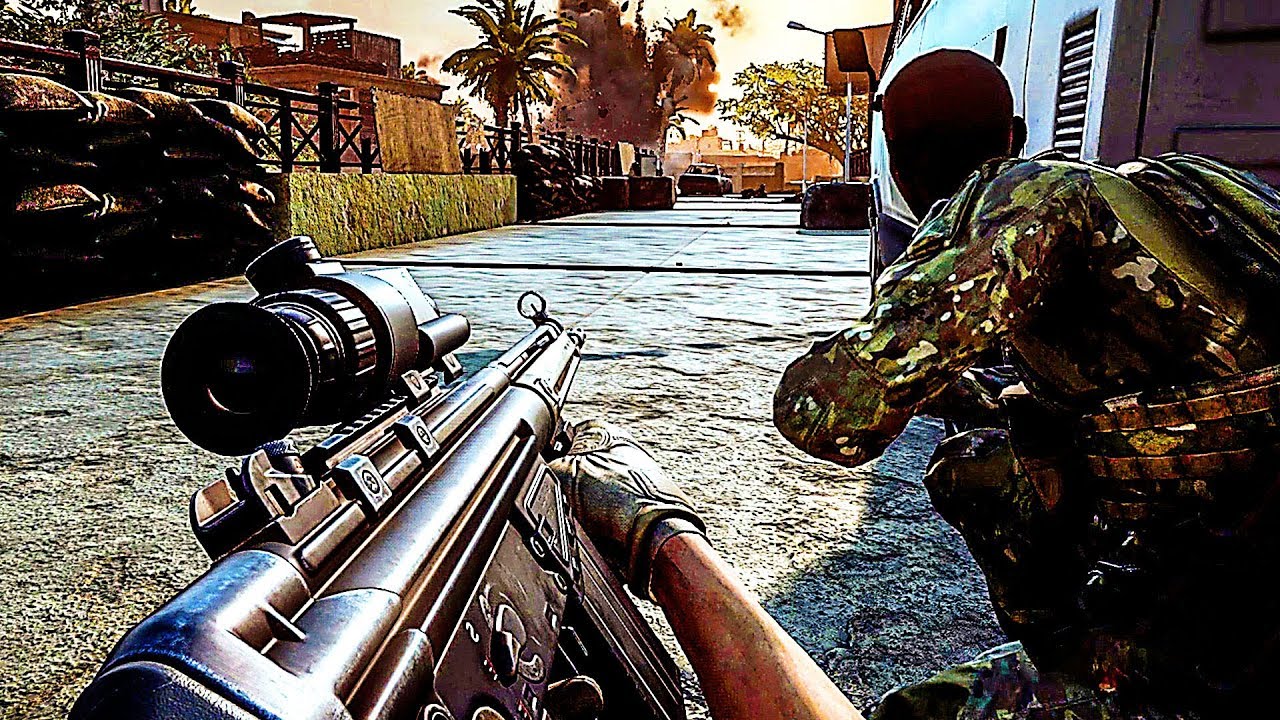
Shooter Game: The Deep Mechanics, Psychology, and Cultural Impact of the Genre
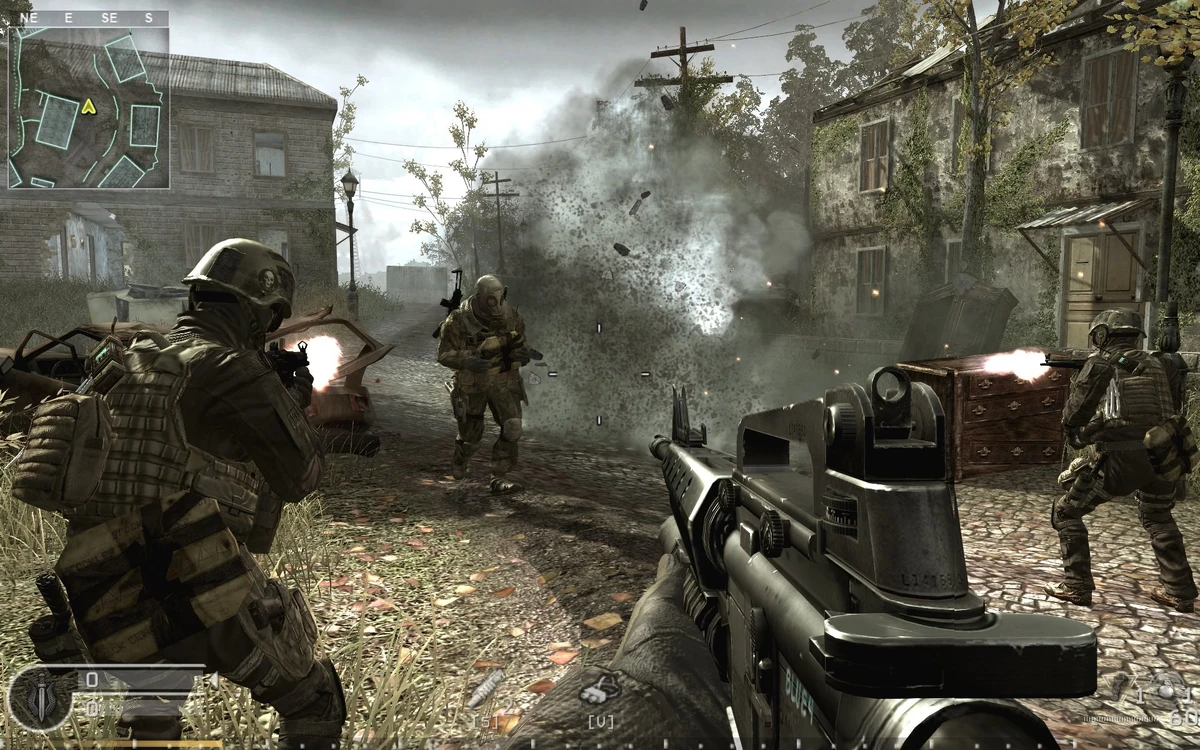
Shooter games have long stood as a cornerstone of the gaming world. What began as a simple test of reflexes and accuracy has evolved into one of the most diverse and competitive genres in modern entertainment. Today, the term shooter game represents a complex ecosystem of design philosophies, strategic layers, and emotional engagement. Whether it’s about realism, storytelling, or multiplayer dominance, shooters continue to set the standard for immersive interactive experiences. Understanding what makes this genre thrive requires an examination of its evolution, mechanics, player psychology, and market influence.
The Origins and Evolution of Shooter Games
The history of shooter games stretches back to the earliest days of electronic gaming. In the 1970s and 1980s, simple 2D shooters introduced players to fast-paced reflex challenges. Titles with fixed or limited movement set the groundwork for future mechanics like projectile trajectory, enemy patterns, and risk-reward dynamics.
As computing technology improved, developers introduced three-dimensional environments, giving rise to the first-person perspective. This shift transformed shooter games from flat shooting galleries into immersive virtual battlegrounds. The introduction of real-time rendering, sound spatialization, and texture mapping allowed players to experience a sense of presence that was once unimaginable.
By the 2000s, online connectivity redefined the genre once again. Multiplayer functionality allowed global competition, ranking systems, and large-scale engagements. With this change came the rise of esports, tactical teams, and community-driven ecosystems that continue to influence shooter design today.
The genre’s evolution also reflects broader trends in technology and human interaction. Cloud gaming, virtual reality, and AI-driven gameplay are reshaping what a shooter game can be, turning it from mere recreation into a study of cognition, coordination, and design excellence.
The Core Mechanics that Define a Shooter Game
Every successful shooter game operates on a set of tightly interwoven mechanics. These are not random; they form the foundation that separates a good experience from a great one.
Shooting Mechanics and Weapon Feedback
At the center of every shooter lies its gunplay. The way a weapon fires, recoils, sounds, and impacts defines how satisfying the experience feels. Developers spend countless hours tuning parameters like bullet spread, rate of fire, and damage output. When executed correctly, every shot feels precise and powerful.
Movement and Positioning
Movement systems are crucial for both offense and defense. Whether it’s sprinting, sliding, vaulting, or crouching, the player’s ability to control motion affects tactical decision-making. Balanced mobility ensures that both aggressive and defensive playstyles are viable.
Environmental Design
Level design shapes the flow of combat. Good maps blend open spaces for long-range engagements with tight corridors for close-quarters encounters. Designers must manage sightlines, cover placement, and choke points to encourage dynamic, rather than repetitive, gameplay.
Health and Resource Management
Resource scarcity builds tension and decision-making depth. Some games offer automatic health regeneration to maintain pacing, while others rely on consumables like medkits or armor plates to reinforce risk-taking. Managing ammo, grenades, and utility tools also creates moments of critical judgment under pressure.
Audio and Visual Cues
Audio design is one of the most overlooked but impactful aspects of a shooter game. Footsteps, weapon reload sounds, and environmental ambiance provide vital spatial awareness. Visual clarity, on the other hand, ensures players can quickly interpret friend from foe, even in chaotic combat situations.
Player Psychology and Behavioral Dynamics
A shooter game is not just about guns and maps; it is a behavioral system that taps into motivation, competition, and learning.
Skill Mastery and Progression Loops
Shooters thrive on what psychologists call the “competence loop.” Every hit, kill, or victory provides immediate feedback that reinforces the player’s sense of skill. Layering progression systems—such as leveling up weapons, unlocking skins, or gaining ranks—creates long-term engagement.
Competitive Motivation
Humans are inherently competitive. Shooter games leverage this through matchmaking, ranking systems, and visible stats. A player’s kill/death ratio or leaderboard position becomes a tangible marker of improvement, feeding intrinsic motivation.
Social Connection and Team Dynamics
Modern shooters heavily integrate social structures. Playing cooperatively requires trust, communication, and coordination, while competitive modes emphasize rivalry and recognition. Teams often develop unspoken communication through map callouts, timing, and positioning strategies that mirror real-world tactical coordination.
Cognitive Load and Flow
Balancing cognitive demands is essential. Too much information overwhelms the player; too little makes the experience dull. The best shooters guide attention through visual hierarchy and intuitive controls, keeping the player in a state of flow—fully immersed and focused without mental fatigue.
Subgenres of Shooter Games
Shooter games come in various forms, each tailored to different preferences and playstyles.
First-Person Shooters (FPS)
These games immerse players directly in the character’s viewpoint. Precision aiming, reaction time, and spatial awareness define the experience. FPS titles often focus on realism, giving players a visceral sense of presence in combat scenarios.
Third-Person Shooters (TPS)
In this variant, the camera follows the character from behind, giving players a broader view of their surroundings. Third-person shooters often emphasize movement, environmental interaction, and strategic positioning over pure reflex.
Tactical Shooters
Tactical shooters prioritize realism, teamwork, and strategy. Each encounter is designed to punish recklessness and reward communication. Players plan routes, manage limited resources, and execute coordinated attacks.
Arena Shooters
Arena shooters focus on speed, reflexes, and map control. Players constantly move, collecting power-ups and controlling spawn points. The gameplay is about mechanical precision and movement efficiency.
Hero or Ability-Based Shooters
These games introduce character-specific skills or abilities, adding layers of tactical complexity beyond traditional gunplay. Team composition, synergy, and timing become as important as shooting accuracy.
Extraction and Survival Shooters
Players must enter a hostile area, gather resources or loot, and extract safely. Failure means losing everything. The tension between greed and caution defines this subgenre, creating high-stakes gameplay loops.
Balancing Realism and Fun
Designing a shooter game requires careful balance between authenticity and accessibility. Complete realism may frustrate players if mechanics feel punishing or slow. Conversely, overly simplified gameplay can feel unrealistic or hollow. Successful shooters strike harmony by simulating real physics and sound design while keeping controls responsive and enjoyable.
Realism Techniques
- Bullet drop and travel time for ranged realism
- Dynamic recoil patterns for weapon mastery
- Environmental destruction to influence tactics
- Sound occlusion and reverberation for spatial accuracy
Fun-Oriented Adjustments
- Simplified recoil for casual accessibility
- Auto-reload or aim assist for new players
- Visual hit markers to reinforce feedback
- Fast respawn timers to maintain engagement
The Role of Artificial Intelligence in Modern Shooters
Artificial Intelligence (AI) has become indispensable in enhancing shooter gameplay. AI-driven enemies now adapt dynamically, responding to player strategies instead of following predictable patterns.
Adaptive Enemy Behavior
Advanced AI systems analyze player tactics and adjust accordingly. If a player favors stealth, enemies may tighten patrol routes. If they rush, AI squads may flank and counterattack.
AI Teammates
In cooperative shooters, AI-controlled allies now provide meaningful assistance. They can suppress enemies, revive teammates, or draw fire strategically, mimicking human-level awareness.
Procedural Content Generation
AI also powers dynamic map adjustments and enemy placement. This ensures that no two encounters feel identical, increasing replayability and unpredictability.
Shooter Game Economy and Player Retention
In modern gaming ecosystems, longevity is key. Developers use live service models, regular updates, and cosmetic progression systems to keep players engaged.
In-Game Currency and Cosmetic Systems
Players can earn or purchase skins, weapon camos, and emotes. These items don’t impact performance but allow personal expression. A well-designed economy respects player time and avoids pay-to-win structures.
Seasonal Content and Events
Seasonal updates refresh interest through limited-time challenges, new maps, and story arcs. This model not only sustains engagement but also builds community anticipation.
Data-Driven Balance Adjustments
Developers analyze gameplay statistics—weapon accuracy, win rates, or heat maps—to adjust balance continuously. This data-driven approach ensures fairness and variety remain at the forefront of the player experience.
Cultural Influence and Esports Integration
Shooter games are not merely entertainment; they are cultural phenomena that influence fashion, communication, and social behavior.
Streaming and Community Culture
Platforms like Twitch and YouTube have transformed shooters into spectator sports. Viewers tune in for skilled plays, commentary, and tutorials, creating influencer-driven ecosystems that shape public perception of the genre.
Esports and Competitive Frameworks
Professional shooter tournaments attract millions of viewers and multi-million-dollar prize pools. Competitive balance, map design, and skill expression make shooters ideal for organized esports.
Representation and Storytelling
As storytelling grows more important, modern shooters integrate emotional depth, complex narratives, and diverse characters. Developers now focus on authentic representation and ethical storytelling while maintaining action intensity.
Real-World Applications of Shooter Design Principles
Surprisingly, shooter game design has practical applications beyond gaming. Training simulations for military and law enforcement use similar mechanics to teach situational awareness and reflex optimization. Even virtual reality therapies employ shooter-like frameworks to treat PTSD, anxiety, and phobias through controlled exposure.
Frequently Asked Questions
Q1: Why do shooter games remain popular across decades?
Shooter games consistently evolve with technology while maintaining their core appeal—fast action, mastery, and social engagement. Their adaptability to new platforms and mechanics keeps them relevant.
Q2: What makes a shooter game feel satisfying to play?
Satisfaction comes from feedback loops: responsive controls, impactful sound, visual recoil, and meaningful progression. Every successful shot reinforces the player’s skill and confidence.
Q3: Are shooter games beneficial for cognitive development?
Studies suggest that playing shooter games can improve spatial reasoning, attention control, and decision-making speed. However, moderation and balanced playtime are essential.
Q4: How do developers prevent cheating in competitive shooters?
Anti-cheat systems monitor for irregular behaviors such as aim assistance, speed hacks, or altered files. Developers also rely on server-side validation and frequent updates to maintain fairness.
Q5: What’s the future of the shooter genre?
The future lies in convergence: AI-driven adaptive gameplay, realistic physics, cross-platform integration, and immersive VR experiences. Shooters will continue to blur lines between entertainment, training, and digital artistry.
Shooter games have become more than a pastime; they are a study in design precision, psychological engagement, and technological innovation. From the earliest 2D arcades to today’s AI-powered battlegrounds, the genre reflects the ever-evolving relationship between humans and digital worlds—a balance of instinct, intellect, and imagination.