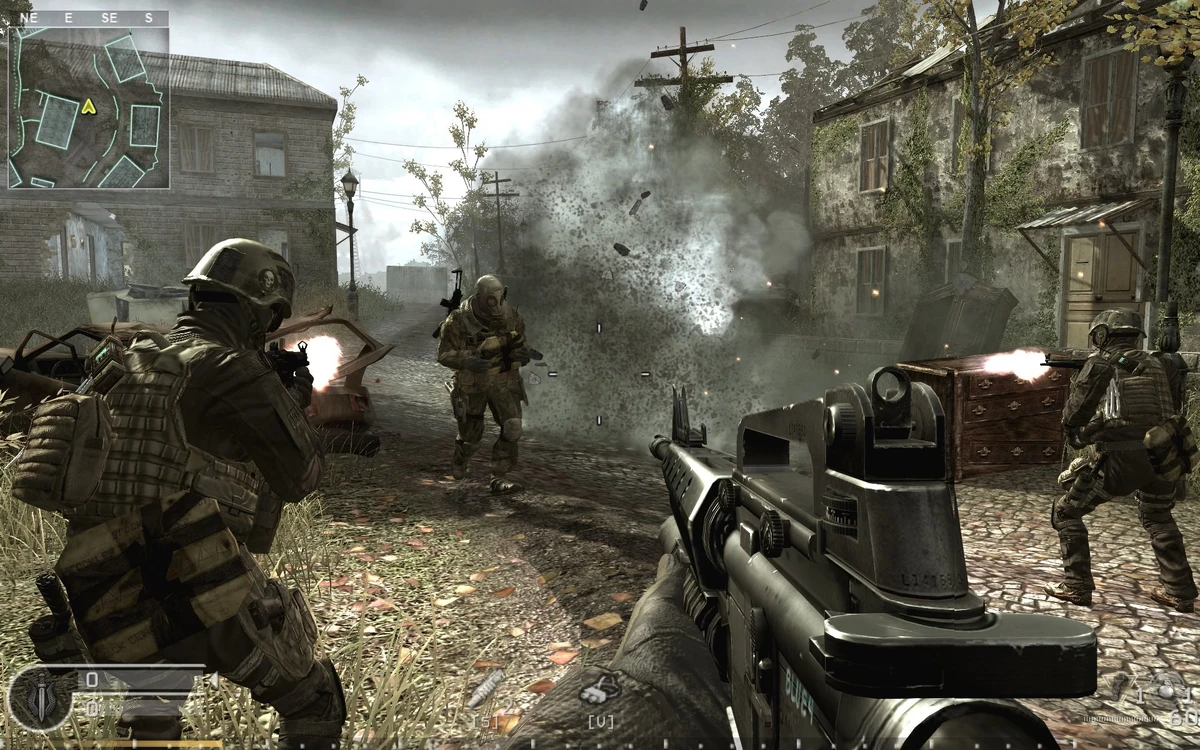
Understanding the Shooter Game Genre: From Mechanics to Culture
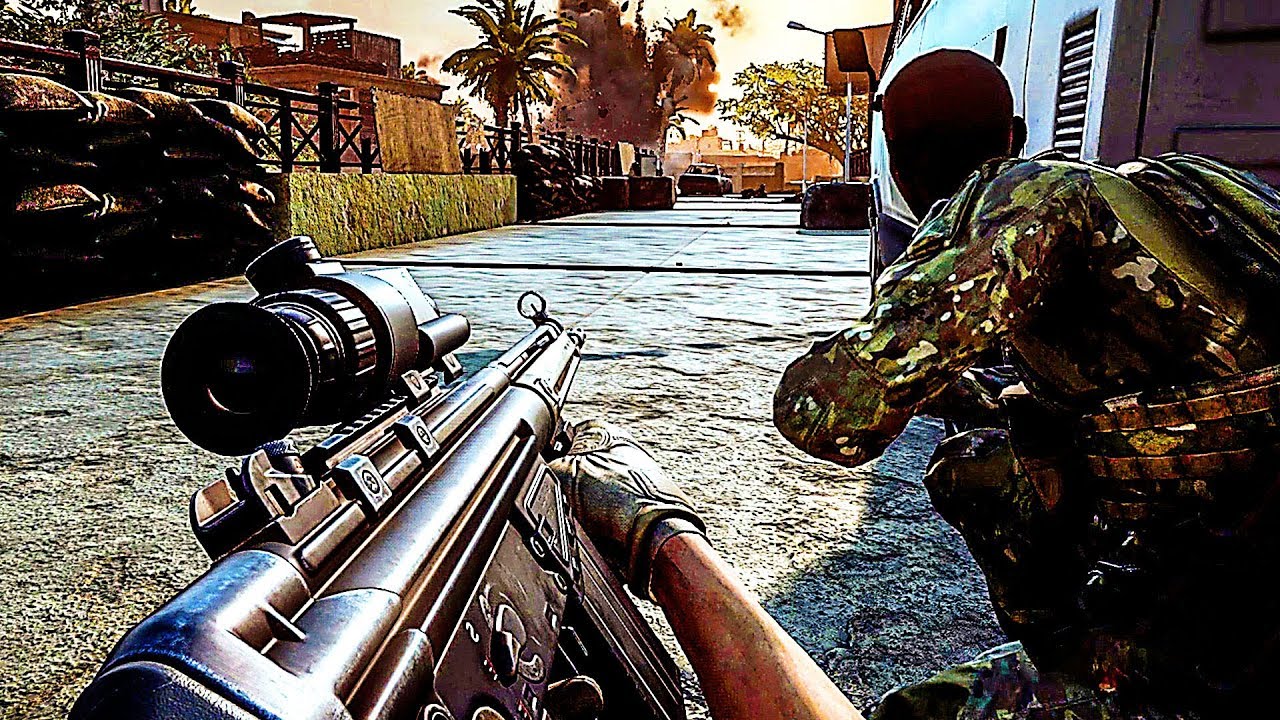
When someone hears shooter game, what immediately comes to mind are intense gunfights, rapid reflexes, and strategic combat. Yet beneath that surface lie decades of evolution, design choices, and player psychology that make shooter games among the most enduring and competitive genres in gaming. This article digs into the depths of shooter games—not just the basics, but the frameworks, tensions, and future directions that truly define the genre.
The term shooter game is used to describe a wide variety of titles in which the player engages enemies at range—often with firearms or other projectile weapons. The core loop involves aiming, shooting, taking cover, managing resources like ammo or health, and maneuvering in space (often under threat). While this might appear simple, the myriad ways to interpret those mechanics generate countless subgenres and experiences.
From the start, this article embeds the keyword shooter game so that it appears naturally and early in the text.
The Roots and Evolution of Shooter Games
Early Foundations: From Galleries to 3D Combat
The concept of shooting at targets in video games stretches back to mechanical shooting galleries and electro-mechanical arcade games. Over time, game developers translated this into digital experiences. Simple 2D “shoot-’em up” games—where waves of enemies appear and the player shoots them down—were among the first successes in the arcade and home console space.
By the 1990s, advances in computing power allowed for three-dimensional worlds and real-time movement. Titles like Doom and Wolfenstein 3D turned shooter games into immersive virtual environments, with corridors, verticality, and dynamic engagements. These breakthroughs opened up possibilities for tactical movement and environmental interactions.
As technology progressed, improvements in graphics, networking, shaders, physics, AI, and more enabled shooter games to become both visually impressive and deeply strategic. Over the years, the genre matured, branched, and fused with elements from other genres (such as RPGs, horror, and open-world exploration).
A recent survey found that about 50.5% of global gamers reported playing a shooter in the past year, making it one of the most popular genres across platforms.
Subgenres and Variants: Why Not Just One “Shooter”?
Shooter games are not a monolith. Designers carve them into subgenres based on perspective, movement constraints, reward systems, and thematic focus. Understanding these variants helps clarify the design tensions each must address.
First-Person Shooter (FPS)
Here, you experience the world through the eyes of your avatar. The weapon is often the focal point of the HUD (heads-up display). The immersion is strong, and many shooters aim to blend realism with accessibility. Movement, aim assist, recoil simulation, and balance are central challenges.
Third-Person Shooter (TPS)
The camera is positioned behind or above the character. Players often get a stronger sense of their avatar’s body, the environment, and spatial relationships. Cover mechanics, camera handling, and obstacle traversal become important design considerations.
Arena Shooters
These are fast-paced, action-oriented multiplayer shooters set in relatively small, defined maps (the “arena”). Emphasis is on reflexes, map knowledge, movement skill (jumping, strafing, strafing jumps), and weapon pickups. The narrative is minimal; gameplay is king.
Looter Shooters (Loot-Shooter Hybrids)
These hybrid games combine shooting mechanics with procedural loot drops and upgrade systems. Players are motivated to grind missions, defeat enemies, and acquire better weapons or gear. Examples include games that emphasize randomized drops, rarity levels, and progression loops.
Extraction Shooters
Here, players enter a map, scavenge or acquire gear, and must extract successfully to retain rewards. Dying often means losing everything. Tension is high, as both environment and other players pose threats.
Twin-Stick Shooters
Popular in arcade and indie contexts, twin-stick shooters separate movement (one stick) from shooting direction (the other stick). The design often emphasizes multidirectional fire, dodge mechanics, and pattern avoidance.
Light-Gun / Rail Shooters
These are often on-rails or guided movement shooters, where the player’s path is predetermined and focus is placed solely on aiming and timing. Light-gun peripherals or motion controllers might be used.
Core Mechanics and Design Pillars
To make a shooter game feel right, certain systems and interactions have to interplay seamlessly. Below are essential pillars and design tensions developers must resolve.
1. Aim, Precision & Feedback
The sensation of shooting is deeply tactile. Good shooter design gives instant, satisfying feedback for hits—through sound, visual cues (muzzle flash, impact), screen shake, hit markers, etc.
Designers must balance realism (e.g. recoil, bullet spread, obscured aim) with fairness and responsiveness.
2. Movement & Mobility
How a player moves significantly affects how they shoot and survive. Mobility options—dashing, sliding, crouching, vaulting, wallrunning—shape combat rhythm.
Balancing speed and predictability is critical: too fast, and the game becomes chaotic; too slow, and players feel limited.
3. Map Design & Sightlines
Maps are the stage on which combat unfolds. Good maps manage sightlines, cover, elevation changes, choke points, and flow.
A well-designed map offers multiple tactical options, avoids “camping” dominance, and encourages movement rather than static holding.
4. Weapon Variety & Balance
A shooter often offers a toolkit of guns: close-range shotguns, mid-range assault rifles, long-range sniper rifles, explosives, grenades, etc. Each must feel distinct, have tradeoffs (recoil vs damage, range vs rate of fire), and stay balanced in competitive settings.
5. Resource & Health Management
Choices like health regeneration, medkits, armor, ammo scarcity, and cooldowns affect how cautious or aggressive players become. They also influence pacing and risk assessment in combat.
6. Enemy & AI Design (in single-player modes)
For non-multiplayer content, AI behavior must be credible. Enemies should flank, retreat, use cover, prioritize threats, and challenge the player without feeling artificial.
Variety in enemy types (fast melee, ranged snipers, heavy tanks) adds strategic diversity.
7. Progression Systems
Many modern shooters layer meta-systems: weapon upgrades, skill trees, cosmetic skins, ranks, challenge systems, or seasonal content. These amplify retention but must integrate cleanly without undermining balance.
8. Multiplayer & Social Systems
Connecting players means matchmaking, server stability, anti-cheat, social tools (clans, voice chat), ranking systems, and persistent progression. Poor networking or imbalance can ruin the competitive integrity.
9. Sound & Immersion
Audio cues (footsteps, gunfire echo, reload sounds) help players make tactical decisions. Spatialized sound and atmospheric music heighten tension and convey richness.
10. Visual Clarity & UI/UX
Interface elements—crosshairs, HUD, minimaps, indicators—must remain legible under chaos. Effects should avoid obscuring critical vision. Visuals must balance spectacle with functional readability.
Genre Tensions & Trade-Offs
No shooter is perfect; every design must wrestle with trade-offs:
- Realism vs Fun: More realism (e.g. bullet drop, zero HUD, simulation mechanics) can alienate casual players, while too much abstraction can feel shallow for veterans.
- Skill Ceiling vs Accessibility: High precision and movement can reward mastery but can also intimidate newcomers.
- Balance vs Variety: Introducing many weapons or mechanics risks imbalance; restricting options may feel limiting.
- Pacing vs Depth: Fast matches favor immediacy; slower mechanics (e.g. loadouts, planning) enable strategy.
- Single-player vs Multiplayer: AI design and narrative ambition can divert resources from polishing competitive balance.
- Retention vs Innovation: Meta systems help retain players (battle passes, loot) but may encourage grind or bait mechanics.
Cultural & Market Dynamics
Audience & Consumption Trends
Shooters attract hardcore players who value skill expression and competitive play. But they also appeal broadly—many casual gamers enjoy “pick up and play” shooter sessions, especially in multiplayer formats.
The genre enjoys strong overlap with content creation and streaming, where watching shooters (highlight clips, tournaments) is a major draw.
Monetization Models
Many shooter games adopt live service models: seasonal content, cosmetic microtransactions, battle passes, weapon skins. The best ones keep monetization optional and fair without pay-to-win.
Live Tournaments & Esports
Shooter titles like Counter-Strike, Rainbow Six, Apex Legends, and others host robust competitive scenes. Esports audiences demand tight balance, spectator tools (replays, observatory modes), and regular updates.
Legacy & Revival
Recently, there’s been a revival of “retro-style” shooters—sometimes called boomer shooters—which emulate the fast, no-frills design of classic 90s FPS. Some modern indie developers lean into stripped-down mechanics as a counterbalance to overly complex modern shooters.
The 2024 Straftat exemplifies this: a free arena-style FPS praised for its clean gameplay, map variety, and avoidance of microtransaction traps.
Designing a Modern Shooter: Principles That Matter
If you were to plan a new shooter, here are the guiding principles you’d want to follow.
Start With Core Feel Over Features
Prioritize how firing, movement, and hit feedback feel before layering extra systems. A satisfying core gunplay loop anchors all subsequent mechanics.
Build Around a Pillar Mechanic
Choose one signature mechanic (e.g. sliding, wallrunning, bullet ricochet, destructible environments) that gives your game a distinct identity. Design around it instead of tacking it on.
Iterate Map & Flow Early
Testing maps with target dummies or simple bots helps refine spatial balance before adding polish. Map failures are among the hardest to fix post-launch.
Modular Weapon Framework
Develop a weapon system with modular components—barrels, stocks, muzzle devices—so designers can compose new weapons without rewriting core logic. That assists balance and variety.
Feedback Loops That Empower Players
Strong visual, audio, and haptic feedback encourages players. Include non-obvious cues (e.g. audio tells when you’re flanked, camera shake for near-misses).
Design for Spectators
Since shooter games often have a streaming or esports facet, incorporate systems like kill cams, observer modes, visual clarity at scale, and replay tools.
Plan for Live Updates
Leave room for future maps, modes, weapons, and balance patches. Consider modularity so you can swap or disable mechanics without destabilizing core systems.
Prioritize Network & Latency
Even the best gameplay can be ruined by jittery netcode, lag, or unfair hit registration. Invest heavily in networking, tick rate, prediction, and rollback systems.
Watch the Meta & Economy
As players settle into tactics, they’ll find dominant strategies or gear combos. Monitor usage, balance actively, and be ready to adjust or nerf when needed.
Current Trends & Emerging Directions
- Movement Hybrids: More shooters blend classic grounded combat with advanced mobility (sliding, vaulting, climbing).
- Crossplay & Platform Parity: Seamless play across PC, console, and mobile is becoming standard.
- Environment as Weapon: Destructible maps, terrain effects (smoke, wind, fog) or interactive objects shape strategic depth.
- Genre Blending: Shooters incorporating spellcasting, stealth, RPG systems, or open-world exploration are bridging genres.
- Extraction / Risk Mechanics: The extraction shooter subgenre is growing, offering high-risk, high-reward gameplay loops.
- Ethics & Representation: Developers increasingly think about the moral framing of conflict, diversity of characters, and narrative context.
Frequently Asked Questions
Q: How do shooter games balance fairness in competitive play?
Balance is achieved through iterative testing, telemetry data, and constraints (e.g. cooldowns, damage falloff, recoil). Developers often use sandbox servers, public test realms, and competitor feedback loops.
Q: Why do some shooters use health regeneration while others use medkits?
Health regeneration smooths pacing and reduces downtime—encouraging aggression. Medkits or fixed health systems add resource tension and strategy, rewarding cautious play.
Q: What makes a shooter “skill-based” versus “luck-based”?
A shooter is considered skill-based when player decisions—aim accuracy, positioning, timing, movement—dominate outcomes. Luck components (random spread, critical hits) must be minimal or predictable to preserve fairness.
Q: How should a designer choose between single-player and multiplayer focus?
Single-player demands strong narrative, AI, pacing, and level design; multiplayer demands balance, netcode, matchmaking, and retention systems. The choice often depends on team size, post-launch plans, and target audience.
Q: Are retro or “boomer” shooters viable in today’s market?
Yes. Many players appreciate the purity, speed, and clarity of older designs. Indie teams are reclaiming that aesthetic while incorporating modern polish: higher resolution, smoother controls, and online play.
Shooter games remain at the heart of the gaming world because they combine instinct, strategy, and expression. The best of them feel intuitive yet deep, with every element—map, movement, weapon, sound—working in harmony. Whether you aim to design one, analyze one, or simply appreciate them as a player, the architecture of shooters offers a rich field of study and creative possibility.